

If you’ve recently welcomed a new puppy or an adult dog into your home, you’ve likely heard that crate training is the “holy grail” of pet parenting. And it’s true! When done correctly, a crate isn’t a cage, it’s a sanctuary. It’s your dog’s bedroom, their safe space when the vacuum comes out, and your best tool for house-training.
However, many well-meaning pet parents accidentally turn this sanctuary into a source of stress. From picking the wrong size to using it as a "timeout" corner, these slip-ups can lead to whining, anxiety, and a dog that refuses to go anywhere near their crate.
At Chew Crew Pet, we want your furry friend to feel like royalty. That’s why we’ve rounded up the seven most common crate mistakes and, more importantly, how you can fix them today.
1. Using the Crate as Punishment
This is the number one mistake pet parents make. Your puppy just chewed your favorite rug, and in a moment of frustration, you point to the crate and shout, "Go to your room!"
The Problem: Dogs associate emotions with places. If you send them to the crate when you’re angry, they begin to view it as a jail or a place of exile. Instead of a cozy den, it becomes a box of "bad dog" vibes.
The Fix: The crate should only be associated with positive things. Never use it for "timeouts." If your dog needs to settle down, guide them in with a calm voice and a high-value treat. You want them to think, "Oh boy, the crate! That’s where the good snacks happen!"

2. Choosing the Wrong Size
Size matters more than you think. Many owners buy a massive crate thinking, "I'll give them plenty of room to play!" Others buy one that’s just a bit too snug.
The Problem: If a crate is too small, it’s physically uncomfortable and can lead to joint stiffness. If it’s too large, your dog might use one corner as a bedroom and the other corner as a bathroom. This completely defeats the purpose of using a crate for house-training.
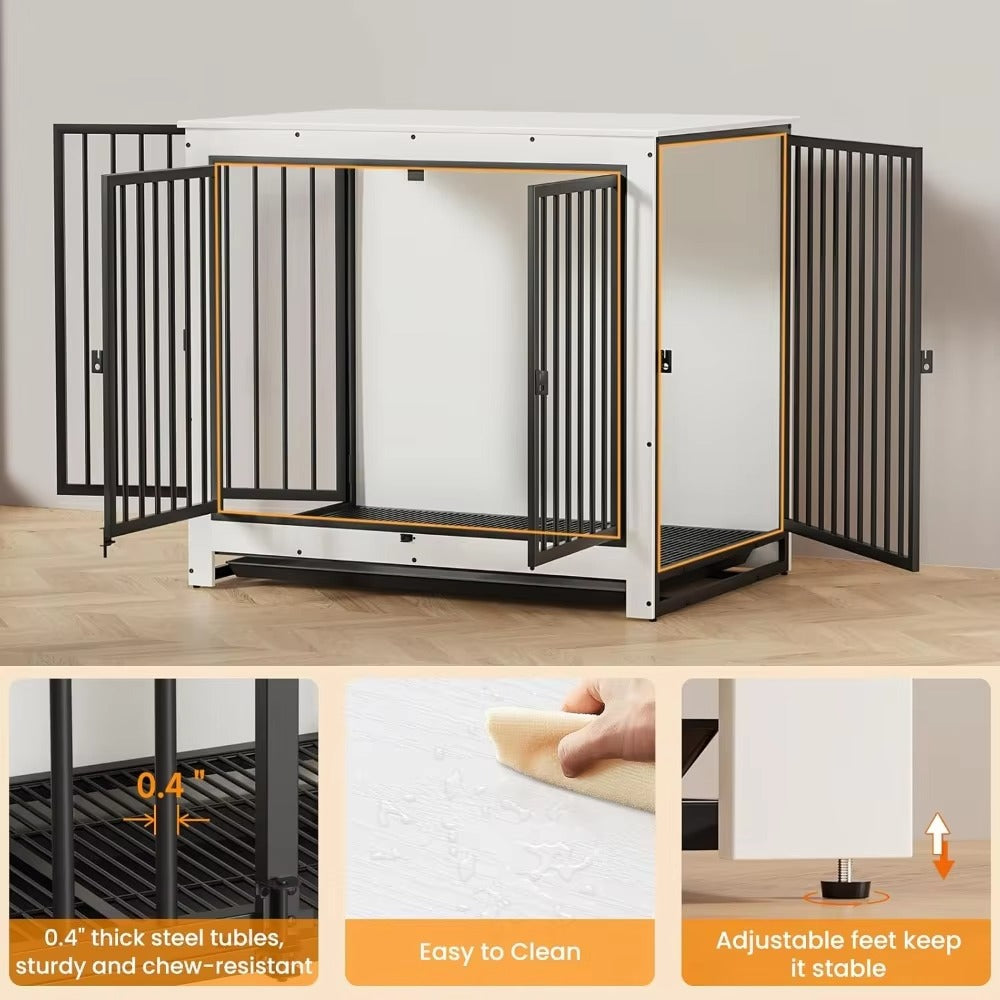
The Fix: Your dog should be able to stand up, turn around, and lie down comfortably: and that’s it. If you have a growing puppy, look for a crate that comes with a divider so you can adjust the size as they grow. For those looking for a blend of functionality and home decor, our Large Wooden Dog Crate offers a spacious yet secure environment that doubles as a stylish side table.
3. Not Making it "Homey" Enough
Would you want to sleep on a cold, hard floor in a metal box? Probably not.
The Problem: A bare crate feels institutional. It’s echoey, cold, and uninviting. If your dog doesn't feel cozy, they won't want to spend time there voluntarily.
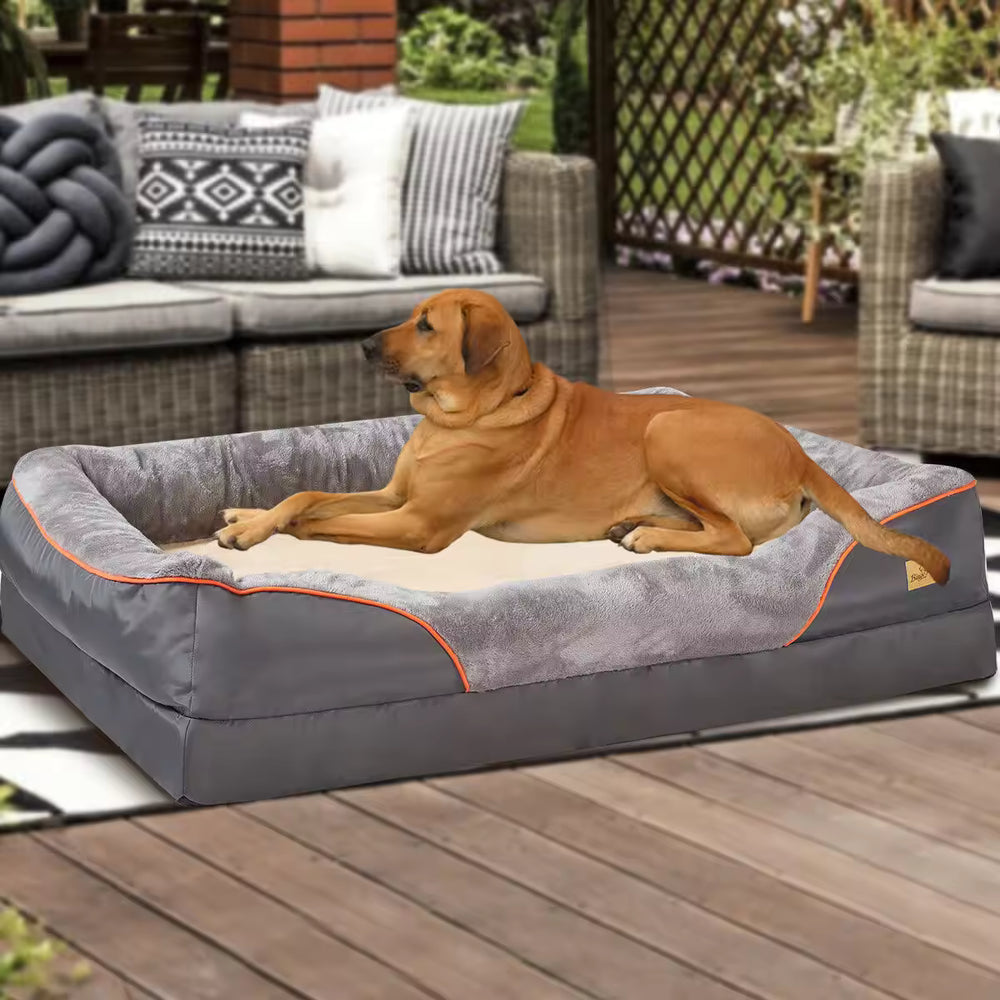
The Fix: Invest in high-quality bedding that makes the crate irresistible. A plush mat or an orthopedic cushion can make all the difference. Our Super Soft Orthopedic Dog Bed is designed to fit perfectly into lounging areas, providing the support your dog needs for a deep, restful nap. Add a familiar-smelling t-shirt of yours to help them feel extra secure.
4. Leaving Them in for Too Long
Crates are fantastic for short-term management, but they aren't meant for 8–10 hours of confinement.
The Problem: Excessive crating leads to "kennel syndrome," which can manifest as extreme hyperactivity when they finally get out, or worse, depression and anxiety. Dogs are social animals; they need to stretch, sniff, and interact.
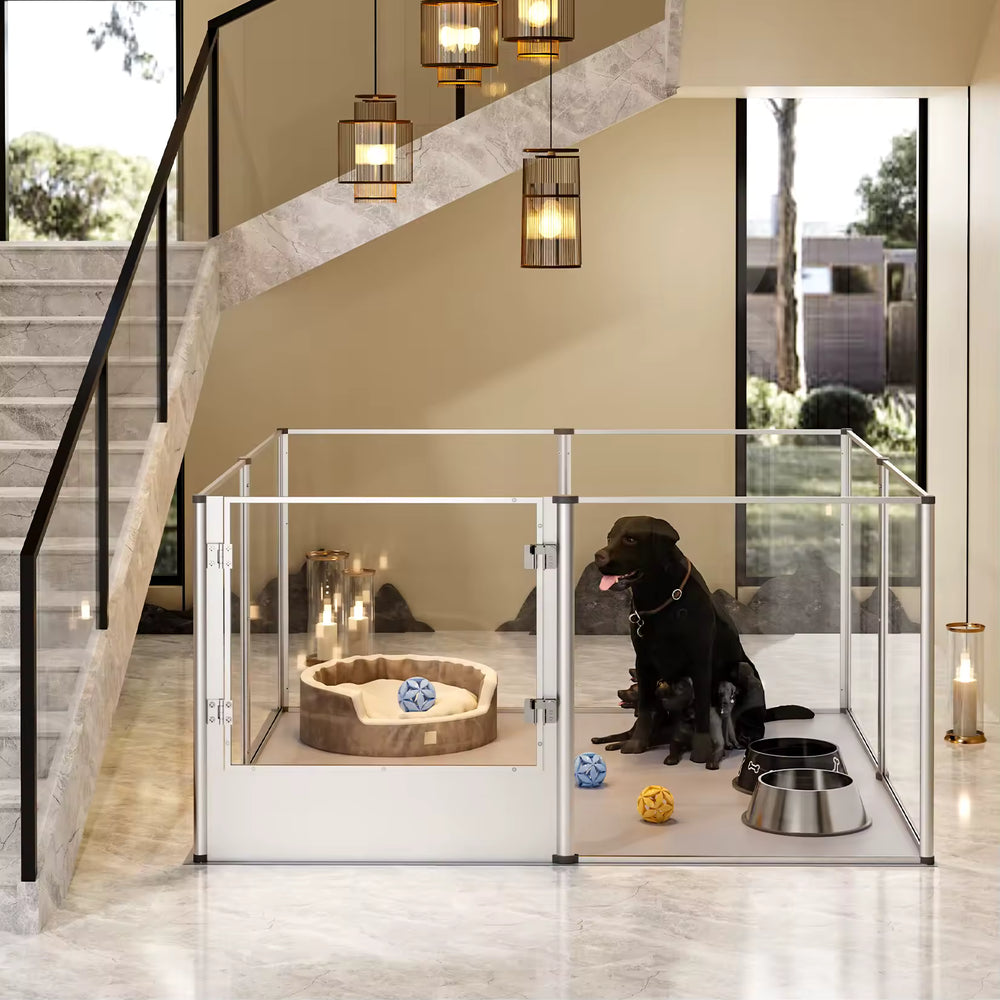
The Fix: If you’re going to be away for a full workday, a crate might be too restrictive. Consider a "long-term confinement area" instead. You can use an exercise pen like our BingoPaw Indoor Pet Playpen to give them room to move around while still keeping them safe and contained. This is especially helpful for puppies who haven't yet mastered their bladder control.
5. Rushing the Introduction
We’ve all been there: you buy the crate, bring it home, and immediately try to lock the dog inside so you can go run errands.
The Problem: This is the fastest way to create "crate hate." If the first time the door shuts is also the first time you disappear, your dog will associate the crate with abandonment.
The Fix: Take it slow! Start by leaving the door open and tossing treats inside. Let them explore it on their own terms. Feed them their meals inside the crate (door open) to build a positive association. Once they’re happy being in there, practice closing the door for just five seconds while you’re still in the room, then ten, then a minute. Patience in the beginning pays off for years!
6. Only Using the Crate When You Leave
If the only time your dog goes in the crate is when you’re heading out the door, they’ll quickly learn that "Crate = Human is leaving."
The Problem: This can trigger separation anxiety. The crate becomes a signal for loneliness rather than a place for rest.
The Fix: Use the crate throughout the day while you are at home. Encourage your dog to take a nap in there while you’re watching TV or working in the kitchen. This teaches them that being in the crate is just a normal part of their daily routine and doesn't always mean you're disappearing. You can even make it a "snack station" with a long-lasting chew toy to keep them occupied.
7. Ignoring Hygiene and Comfort Needs
A dirty crate is a stressful crate. If there’s a stray accident or even just a buildup of dog hair and dander, the space becomes unpleasant for a scent-driven animal.
The Problem: Odors and messes can make a dog anxious about their sleeping quarters. Furthermore, if you’re using the crate for house-training, an old "scent" of an accident might encourage them to go again in the same spot.
The Fix: Keep it clean! Wash bedding weekly and wipe down the crate tray with pet-safe cleaners. If you’re still in the thick of potty training, don't be afraid to use tools that make your life easier. Our Disposable Super Absorbent Nappy Mats are perfect for lining the area during the early stages, ensuring that any accidents are contained and easy to clean up without ruining your dog's favorite bed.
Bonus Tip: The Importance of Mental Stimulation
A bored dog is a destructive dog, even in a crate. Before you put your dog in for a nap, make sure they’ve had a chance to burn off some energy. A quick grooming session can also be a great way to bond and relax your dog before crate time. Check out our Dog Grooming Tools to find the perfect brush or vacuum to keep your pup feeling fresh and ready for a snooze.
Final Thoughts
Crate training is a journey, not a race. By avoiding these common mistakes and focusing on making the experience positive, you’re setting your dog up for a lifetime of comfort and security. Whether you choose a heavy-duty playpen or a furniture-style crate, the goal is the same: a happy, confident dog who loves their "den."
Happy training, from the Chew Crew!