

If you’re a cat parent, you probably know the "5:00 AM alarm": and we’re not talking about your phone. We’re talking about the soft (or not-so-soft) pawing at your face, the insistent meowing, and the feline shadow pacing outside your bedroom door. To your cat, breakfast is the most important event of the day, and they want you to know it.
But as pet parents, we want more than just a quiet morning. We want our furry friends to live long, healthy, and vibrant lives. One of the most debated topics in cat care today is how we deliver that nutrition: Is it better to stick to the classic, reliable bowl, or is it time to upgrade to an automatic feeder?
While it might seem like a simple choice of convenience, the way your cat eats can significantly impact their weight, digestion, and even their stress levels. Let’s dive into the pros and cons of automatic cat feeders versus traditional bowls to see which one is actually better for your pet’s health.
The Case for Automatic Feeders: Precision and Consistency
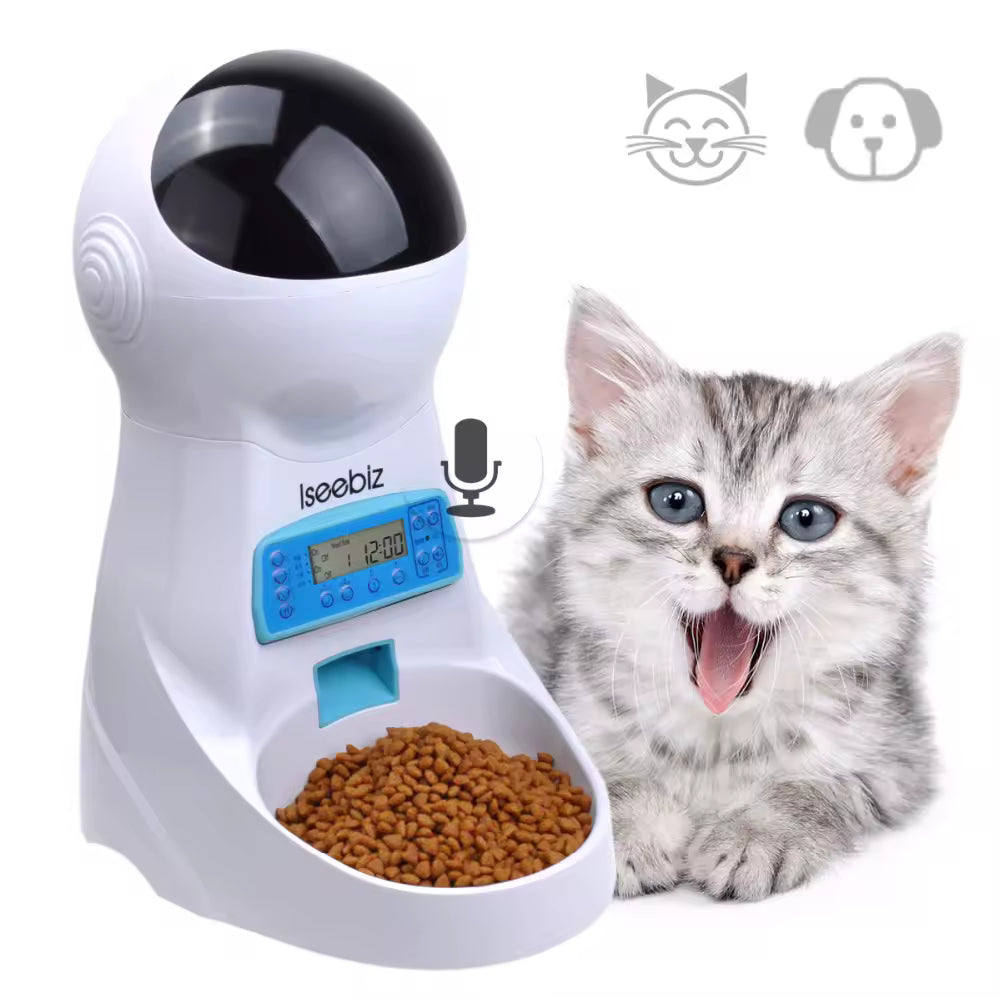
The rise of the "smart home" hasn't skipped over our pets. Products like the Iseebiz 3L Automatic Pet Feeder are becoming staples in modern households. But beyond the "cool factor," there are several science-backed health benefits to going automatic.
1. Fighting the Feline Obesity Epidemic
According to recent veterinary studies, over 50% of cats in the U.S. are overweight or obese. The number one cause? Overfeeding. When we use traditional bowls, we tend to "eyeball" the portions. A little extra scoop here or a "top-up" there might not seem like much, but for a 10-pound cat, an extra 10 kibbles a day is equivalent to a human eating an extra cheeseburger every afternoon.
Automatic feeders remove the human error. You can program exact portions: measured in grams or small "units": ensuring your cat gets precisely what they need and nothing more. For cats already on a weight-loss journey, this precision is a lifesaver.
2. Digestive Health and "Gorge-and-Vomit"
Many cats are "scarfers." They see a full bowl of food and eat as fast as they can, often leading to what vets affectionately call "gorge-and-vomit."
By using a programmable feeder, you can break their daily intake into 4, 5, or even 6 small meals. This keeps their blood sugar stable throughout the day and prevents their stomach from becoming over-distended. Small, frequent meals mimic a cat’s natural hunting cycle in the wild, where they would catch several small "meals" (mice or birds) throughout the day rather than two giant ones.
3. Reducing Food-Related Anxiety
Does your cat start getting frantic an hour before dinner? This is "food anticipation stress." When a cat associates you with the food, they may spend hours pestering, meowing, and following you around.
When you transition to an automatic feeder, the cat begins to associate the machine with the food. Many owners find that their cats become calmer and more relaxed because they know exactly when the "beep" will happen. It creates a predictable routine that reduces anxiety.
The Case for Traditional Bowls: Design and Hygiene
While technology is great, there’s a reason the traditional bowl hasn't gone extinct. In some cases, the "low-tech" route is actually better for certain health conditions.
1. The Battle Against Whisker Fatigue
Have you ever noticed your cat pulling food out of their bowl and eating it off the floor? Or leaving the kibble around the edges of the bowl? They might be suffering from whisker fatigue.
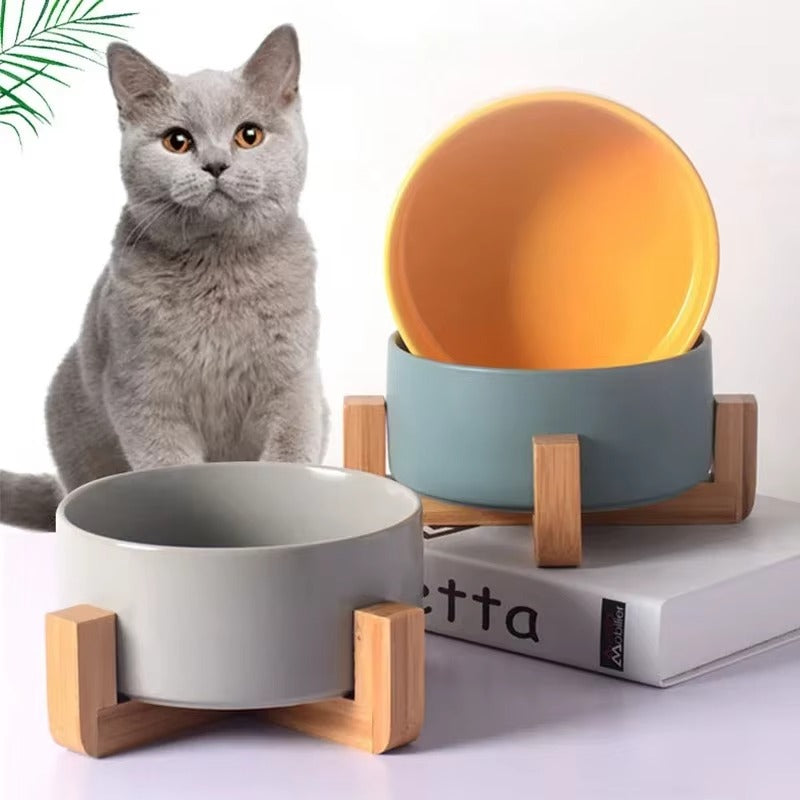
A cat's whiskers are incredibly sensitive sensory organs. When they have to reach deep into a narrow bowl (as many automatic feeders require), their whiskers constantly brush against the sides, causing sensory overload and discomfort. Traditional bowls, especially Raised Ceramic Bowls, are often wider and shallower, allowing your cat to eat comfortably without their whiskers touching the edges.
2. Hygiene and Material Safety
Many inexpensive automatic feeders are made of plastic. Over time, plastic can develop tiny scratches that harbor bacteria, leading to "feline acne": those little black bumps you might see on your cat's chin.
Traditional bowls give you the flexibility to choose superior materials like ceramic or stainless steel. Our Double Ceramic Bowls are non-porous and incredibly easy to sanitize in the dishwasher, which is essential for preventing bacterial infections.
3. Monitoring Your Pet’s Appetite
One of the first signs of illness in a cat is a loss of appetite. If you have a traditional bowl, you’ll notice immediately if your cat hasn't touched their breakfast. With an automatic feeder, if the food is dispensed into a hopper while you’re at work, you might not realize they didn't eat it until much later in the evening. For senior cats or those with chronic conditions, that delay in information can be critical.
Finding the Middle Ground: Hybrid Solutions
You don't always have to choose one or the other. Many pet parents are finding success with hybrid solutions that combine the best of both worlds.
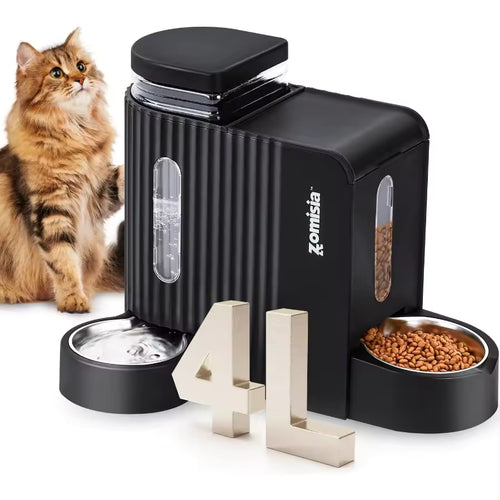
For example, the 2-in-1 Automatic Cat Feeder & Water Dispenser uses gravity to ensure a steady supply of food while utilizing 304 Stainless Steel bowls. This solves the hygiene issue of plastic while still providing the convenience of an automatic system. Plus, the 180° rotatable design allows you to position the bowl in a way that’s most comfortable for your cat’s posture.
If your cat is a "fast eater" but you prefer the simplicity of a manual bowl, you can opt for a Slow Food Cushion. This creates a "puzzle" for your cat, forcing them to use their tongue and paws to navigate the ridges, which naturally slows down their eating and aids digestion.
Don't Forget the Water: The Health Impact of Fountains
While we focus a lot on how they eat, how they drink is just as important. Cats are notorious for having a low thirst drive, which can lead to kidney issues and urinary tract infections. In the wild, cats prefer running water because it's usually cleaner than stagnant pools.
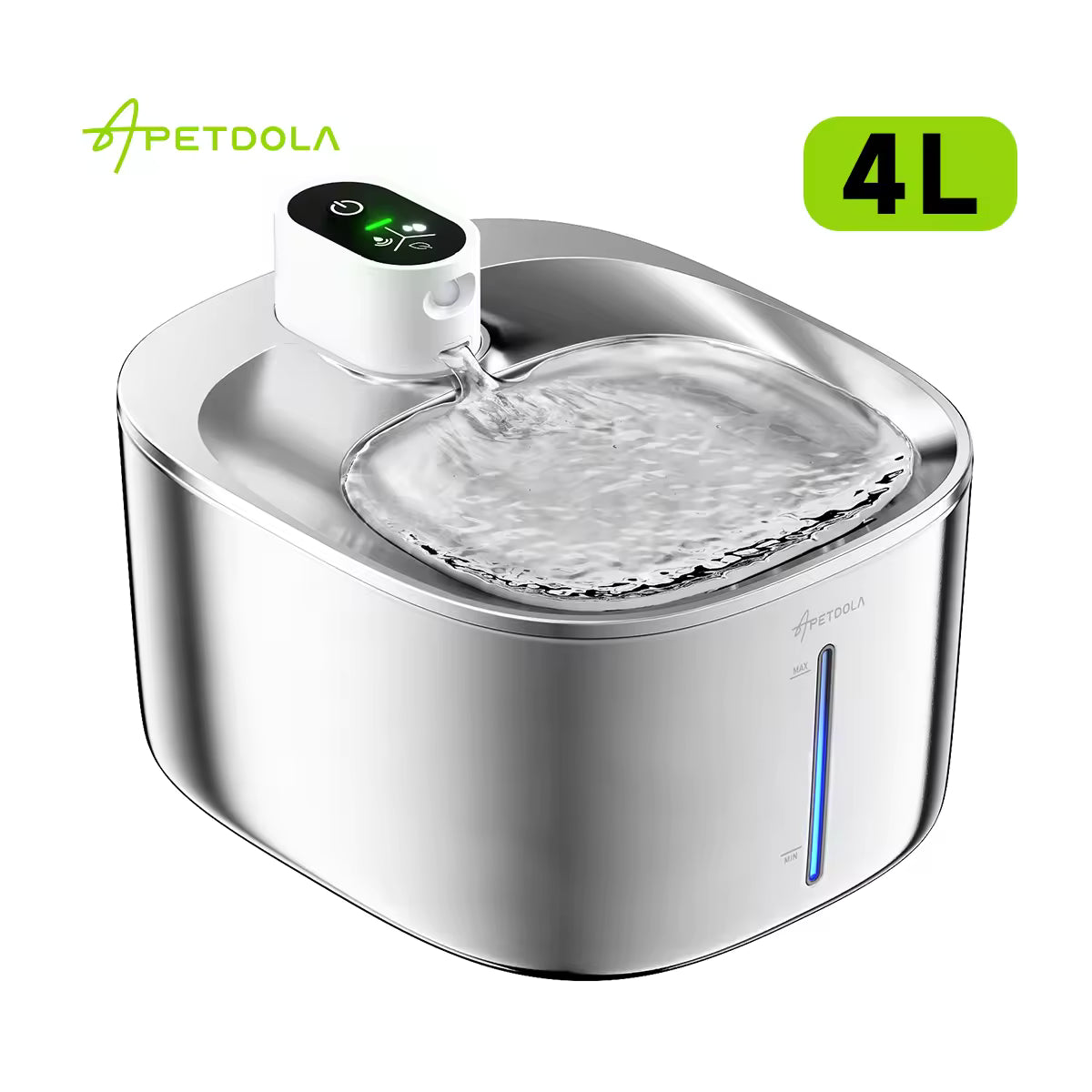
Traditional water bowls often collect dust, fur, and slime (biofilm) within hours. An automatic solution like the APETDOLA 4L Wireless Pet Water Fountain uses an automatic sensor and filtration system to keep water moving and oxygenated.
The sound and sight of moving water often encourage cats to drink significantly more than they would from a still bowl, which is perhaps the single best thing you can do for their long-term renal health.
The Verdict: Which Is Better?
So, back to the big question: Which is better for your pet's health?
Choose an Automatic Feeder (like the Iseebiz 3L) if:
- Your cat is overweight and needs strict portion control.
- Your cat begs incessantly or wakes you up at dawn for food.
- Your cat vomits after eating too quickly.
- You have a busy schedule and can’t commit to the same feeding times every day.
Choose a Traditional Bowl (like the Raised Ceramic Bowl) if:
- Your cat is prone to whisker fatigue or has a very flat face (brachycephalic).
- You prefer using wet food (most automatic feeders only work with dry kibble).
- Your cat has a history of chin acne and needs easy-to-sanitize ceramic/stainless steel.
- You want to use mealtime as a moment of bonding and health monitoring.
At Chew Crew Pet, we believe that every cat is unique. Some need the discipline of a robot, while others thrive with the simple elegance of a ceramic dish. Whichever path you choose, the key is consistency, hygiene, and: of course: lots of love.
Looking to upgrade your pet’s dining experience? Check out our full collection of Feeding Bowls & Bottles to find the perfect fit for your furry companion!