

If you’ve ever walked into your living room only to find your favorite velvet armchair looking like it’s been through a paper shredder, you aren’t alone. Being a cat parent is one of the most rewarding experiences, but let’s be honest: our feline friends can be a little... destructive when they’re bored.
The truth is, your cat isn’t trying to ruin your interior design aesthetic on purpose. Scratching, climbing, and hunting are all deep-seated instincts. When an indoor cat doesn't have an outlet for these natural behaviors, they find their own: which usually means your furniture.
Keeping an indoor cat happy and your home intact requires a blend of mental stimulation, physical activity, and the right "legal" outlets for their claws. At Chew Crew Pet, we believe that style and functionality should go hand-in-hand. You don’t have to sacrifice your home’s decor to give your cat the ultimate playground.
In this guide, we’ll walk you through practical, friendly tips to keep your cat entertained and your furniture safe.
1. Why Indoor Cats Need Enrichment
Before we dive into the solutions, it helps to understand the "why." In the wild, cats spend a huge portion of their day hunting, patrolling their territory, and climbing trees to stay safe from predators.
Inside our homes, the "hunting" usually consists of walking five feet to a food bowl. While this is much safer for them, it can lead to a build-up of pent-up energy. Boredom in cats often manifests as:
- Excessive Scratching: Marking territory and stretching muscles.
- The "Midnight Zoomies": Running laps around the house at 2 AM.
- Over-grooming or Over-eating: Signs of stress or lack of stimulation.
- Aggression during play: Biting ankles or pouncing on your feet.
The secret to a happy cat (and a safe sofa) is to provide an environment that mimics their natural instincts.
2. Think Vertically: The Power of Cat Trees and Towers
Cats love height. In a cat’s world, vertical space equals safety and status. If you don't provide a high spot for them, they’ll find one: whether it's the top of your refrigerator or the dusty top of your bookshelf.
Why Every Cat Needs a Tower
A multi-level cat tree is the single best investment you can make for an indoor cat. It provides:
- A Safe Haven: High perches allow cats to observe the room without feeling vulnerable.
- Exercise: Jumping from level to level builds muscle and burns calories.
- Multiple Scratching Surfaces: Most towers come with built-in sisal-wrapped posts.
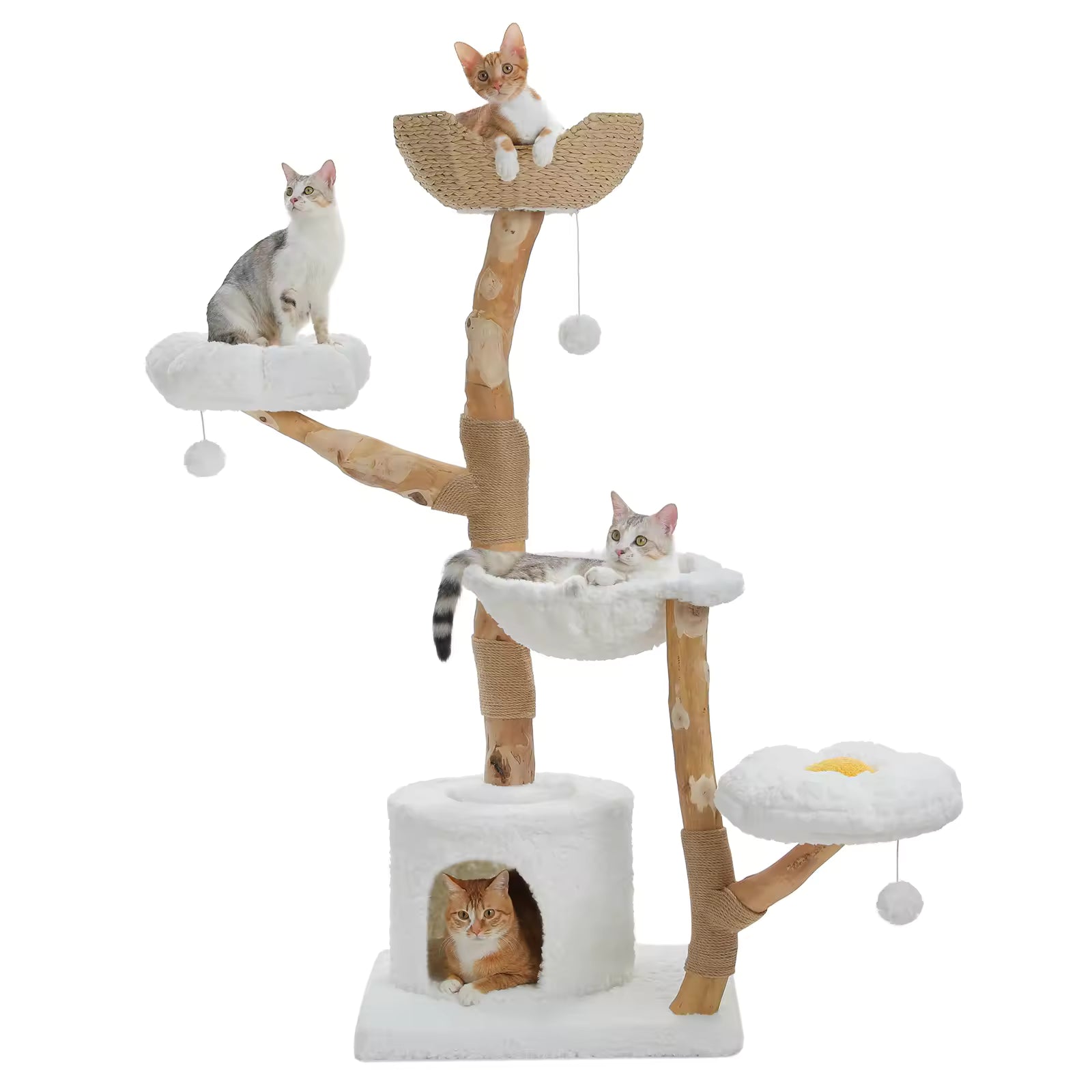
Pictured: Our Modern Indoor Large Cat Tree Tower combines chic design with ultimate comfort.
If you’re worried about a giant carpeted eyesore in your living room, don't worry! Modern options like our Flower Design Cat Tree or the whimsical Cactus Cat Tower add a pop of personality to your home while giving your cat a dedicated space to play and lounge.
3. The Art of the Scratch: Redirecting Those Claws
Let’s get one thing straight: you cannot stop a cat from scratching. It’s how they shed the outer layers of their claws, stretch their shoulders, and leave scent markers from the glands in their paws.
To protect your furniture, you need to offer something better than the couch.
Texture and Stability
Cats are picky about where they scratch. A good scratching post must be:
- Sturdy: If it wobbles when they lean into it, they won't use it.
- Tall enough: They need to be able to fully stretch their bodies.
- The right texture: Most cats prefer sisal rope, cardboard, or carpet.
If your cat is already obsessed with a specific corner of your couch, try placing a Tall Cactus Cat Tree right next to that spot.

The Stealthy Solution
For cats that love to scratch rugs or the flat sides of furniture, our Self-Adhesive Cat Carpet Scratcher Pad is a game-changer. You can stick these onto the areas your cat is currently targeting, effectively turning your furniture into a "legal" scratching zone without the damage.
4. Playtime is Bonding Time
Interactive play is the best way to satisfy your cat's hunting instinct. Instead of just leaving a pile of toys on the floor, you need to become the "prey."
How to Play Like a Pro
- Mimic Prey Behavior: Use wand toys to move like a bird or a mouse. Don't just wave it in their face; make the toy "hide" behind a chair or "scurry" across the floor.
- The "Hunt-Catch-Eat" Cycle: Always end a play session by letting your cat catch the toy and then giving them a treat or a meal. This signals to their brain that the hunt was successful.
- Short Bursts: Cats are sprinters, not marathon runners. Two or three 10-minute play sessions a day are much more effective than one long hour.
Check out our full range of interactive cat toys to find your cat's new favorite obsession.
5. Environmental Enrichment Hacks
When you’re not home, your cat still needs something to do. Boredom is the leading cause of "naughty" behavior.
Cat TV and Window Perches
Install a sturdy window perch so your cat can watch "Cat TV" (the birds and squirrels outside). If you really want to level up, hang a bird feeder outside the window to keep the show interesting.
The Power of Rotation
Ever wonder why your cat is obsessed with a new toy for three days and then never touches it again? Novelty is key. Keep only a few toys out at a time and rotate them every week. When a "old" toy comes out of the closet, it feels brand new to them!
DIY For the Win
Never underestimate the power of a cardboard box. Cutting holes in a box and throwing in some treats can provide hours of entertainment for exactly zero dollars.
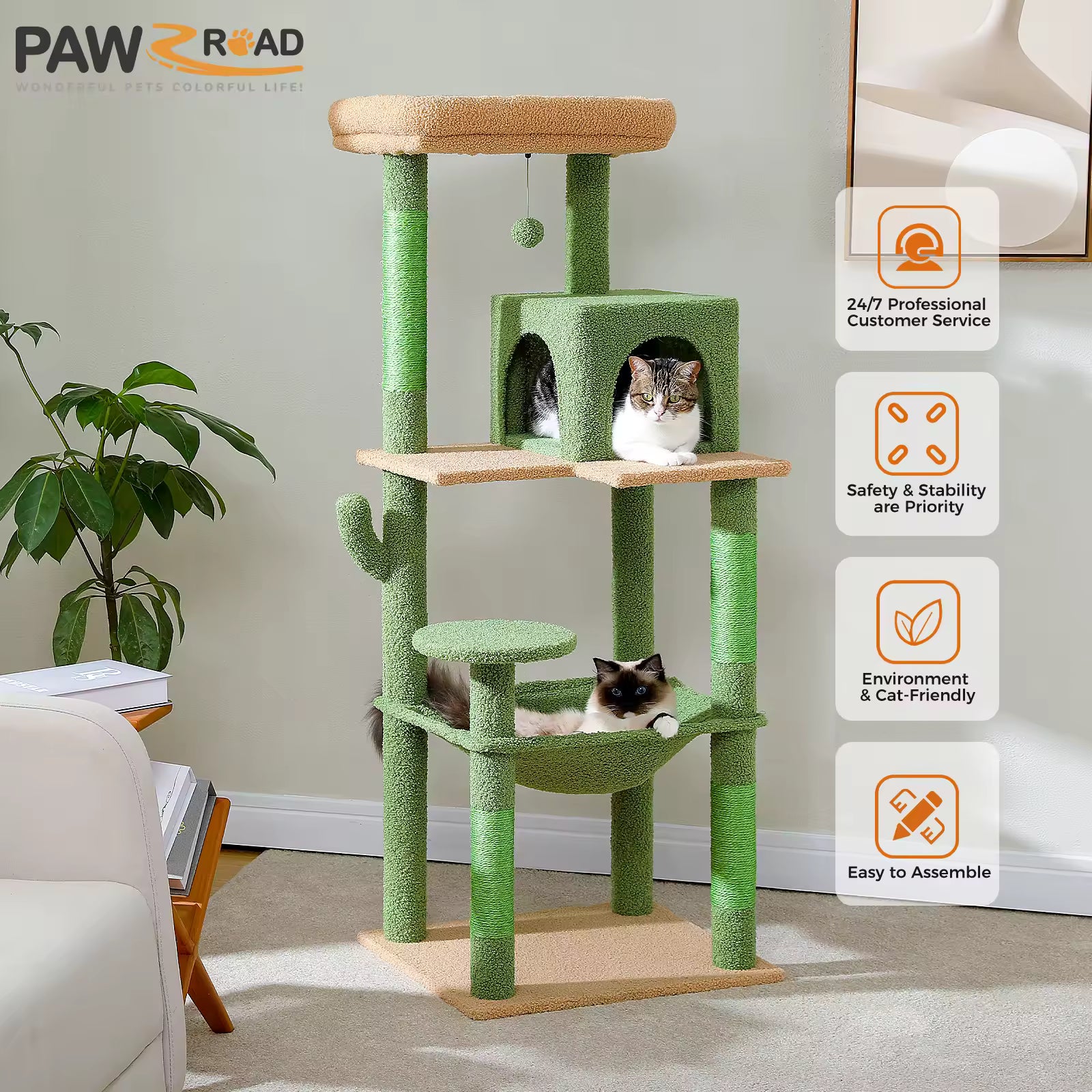
Pictured: The Tall Cactus Cat Tree – functional, fun, and furniture-saving!
6. Training Tips: How to Redirect
If you catch your cat mid-scratch on the sofa, don't yell or spray them with water. This only teaches them to be afraid of you (or to wait until you leave the room to scratch!).
Instead, try these steps:
- The Gentle Interruption: Make a quick "psst" sound or clap your hands once to get their attention.
- The Redirection: Pick them up and move them to their scratching post or cat tree.
- The Reward: As soon as they touch the post, give them praise and a treat. They will quickly learn that "Post = Treats & Love" while "Couch = Nothing."
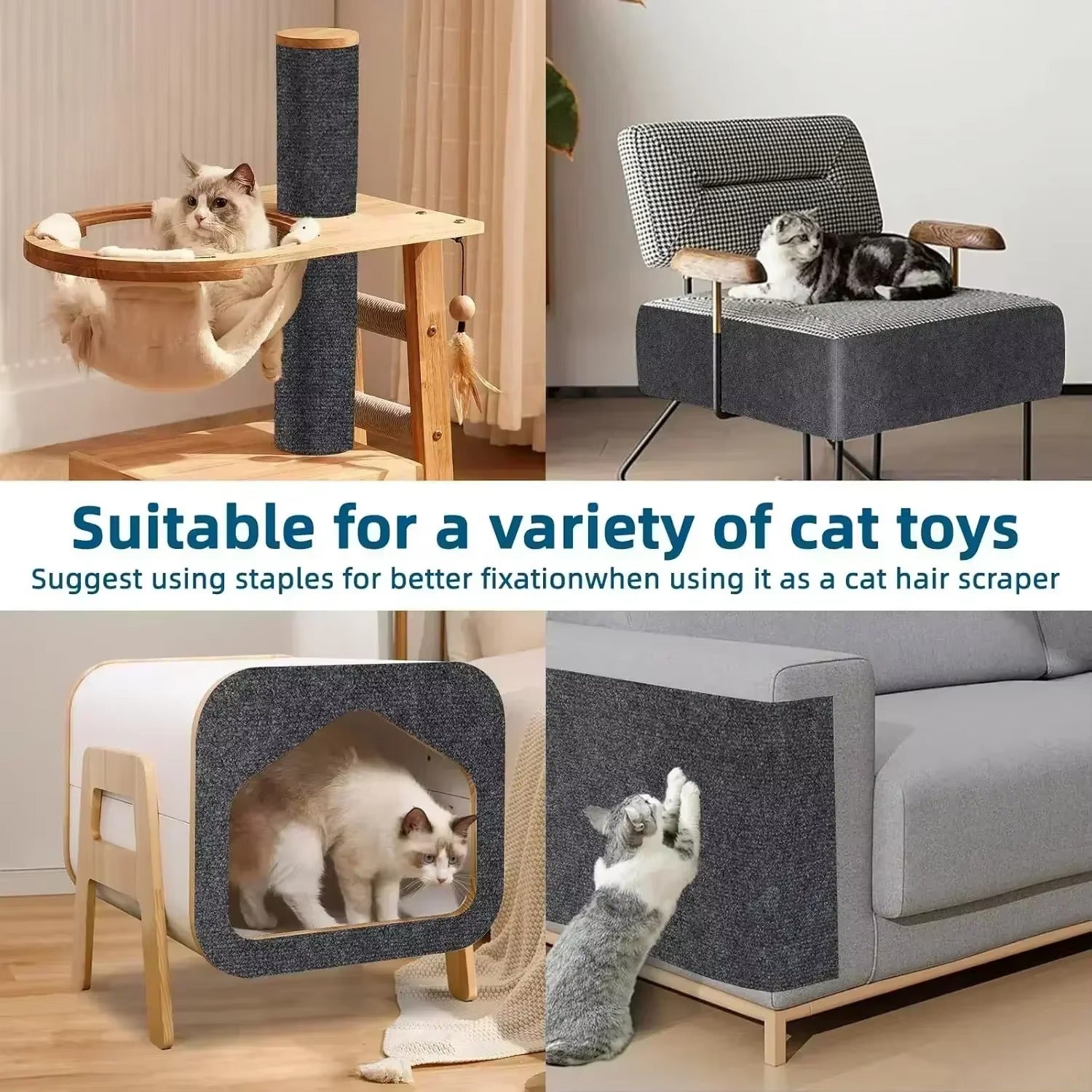
Tip: Use the Self-Adhesive Scratcher Pad on furniture corners as a training aid.
Conclusion: A Happy Cat, A Stylish Home
Keeping your cat entertained doesn't have to be a full-time job, and protecting your furniture doesn't mean living in a house covered in plastic wrap. By understanding your cat's natural needs and providing them with high-quality, stylish outlets like cat trees and interactive toys, you can create a harmonious home for everyone.
Remember, a tired cat is a well-behaved cat. Invest in their happiness, and they’ll reward you with plenty of purrs: and leave your armchair in peace!
Ready to upgrade your cat's playground? Explore our full collection of cat accessories at Chew Crew Pet today.